DESERT SAGE by Chanshare is a TWCA Certified blend of bluegrass that is water-wise, drought resistant and cultivated specifically for the Intermountain Region. TWCA Certified blends are proven to require up to 30% less water than other Bluegrass blends.
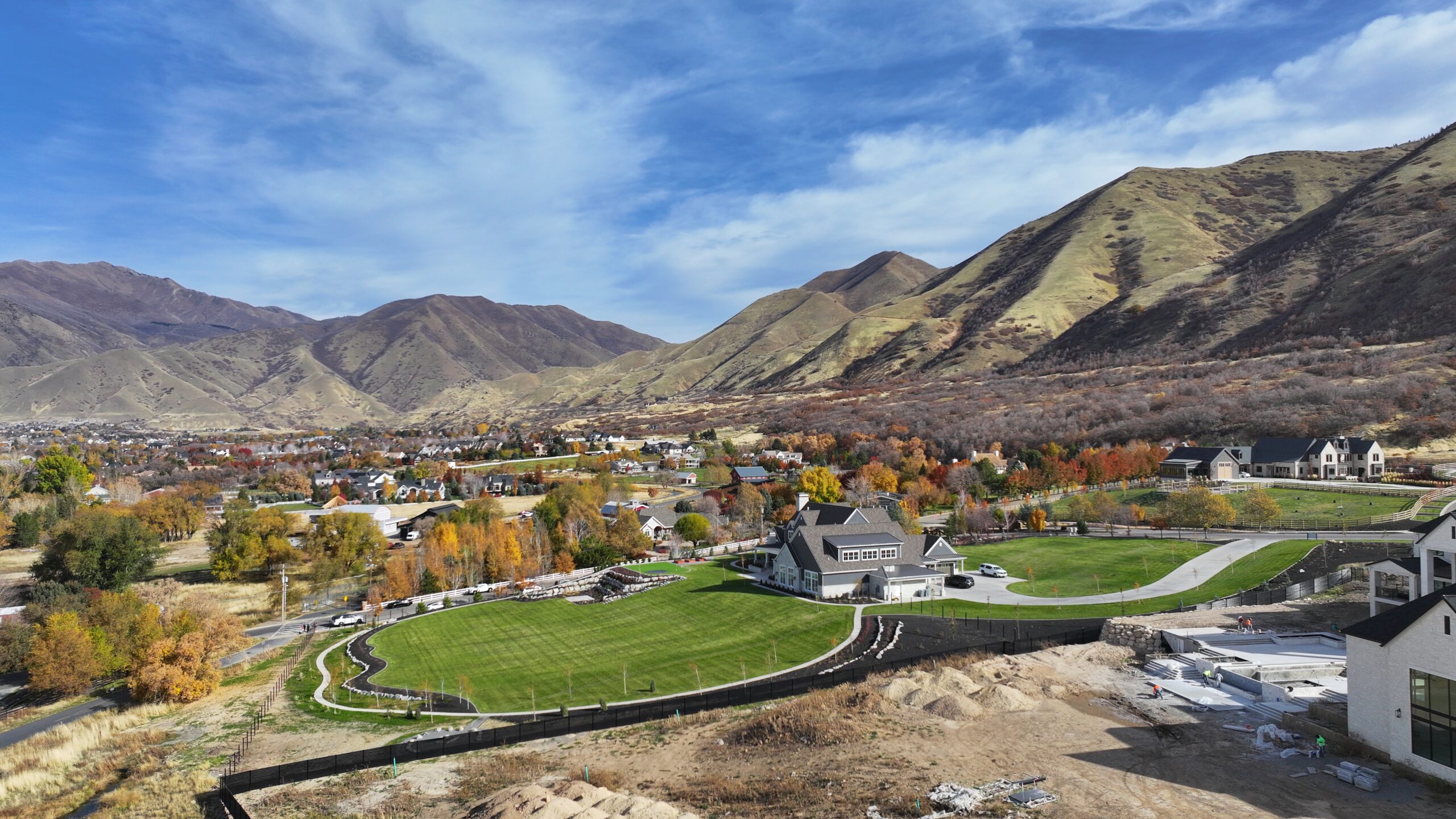
Desert Sage™ is well suited for residential and commercial landscapes, parks and open spaces. It is soft but tough. Other than high traffic sports fields, this turf has a variety of possible uses.
| Recommended Uses | Not Recommended For |
| Residential Landscapes | Roadside Landscaping |
| Commercial Landscapes | Reclamation Projects |
| Medium Traffic Open Areas | Pastures |
| Parks |

Click here for the information sheet about Chanshare’s Desert Sage.
Click here to download the specs for Chanshare’s Desert Sage.
FAQ’s
Desert Sage Bluegrass is a Kentucky bluegrass blend grown by Chanshare Sod Farms for the Intermountain Region. It is certified water wise by the Turfgrass Water Conservation Alliance. It has been tested and proven by Utah State University to require 30% less water than traditional bluegrass.
The Turfgrass Water Conservation Alliance (TWCA) certifies seed blends that meet its drought-tolerance standards. TWCA Certified blends are proven to need up to 30% less water than other bluegrass blends.
Yes. Desert Sage Bluegrass is perfect for residential landscapes. Desert Sage is rated high in drought tolerance and wear tolerance. It can be used in residential and commercial landscapes, parks, schools churches, and medium-traffic open areas. It can also be used on recreational sports fields.
Desert Sage Bluegrass will require 15-20″ of water per year. Water requirements will vary with soil type, maintenance, and fertilization practices.
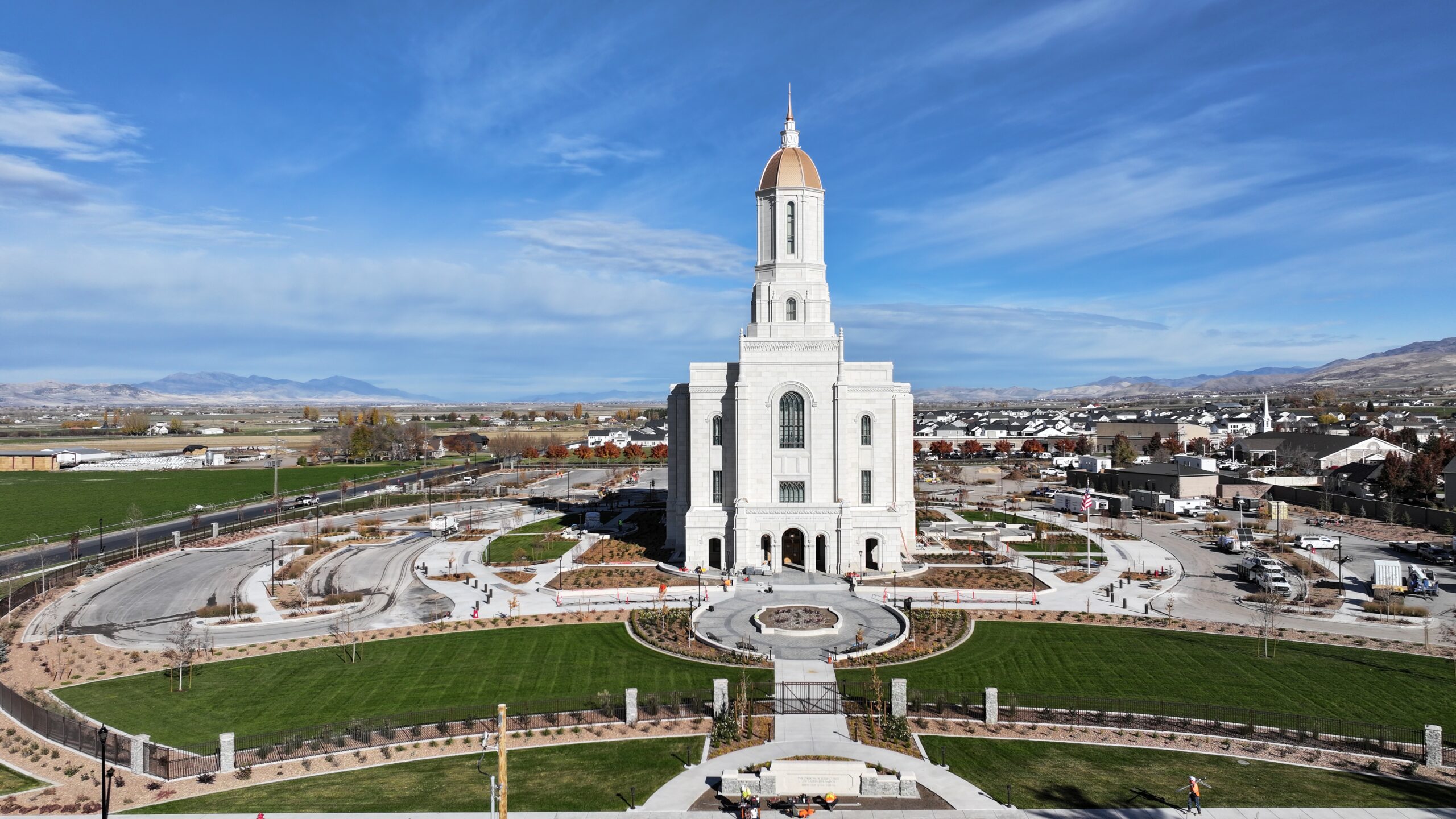
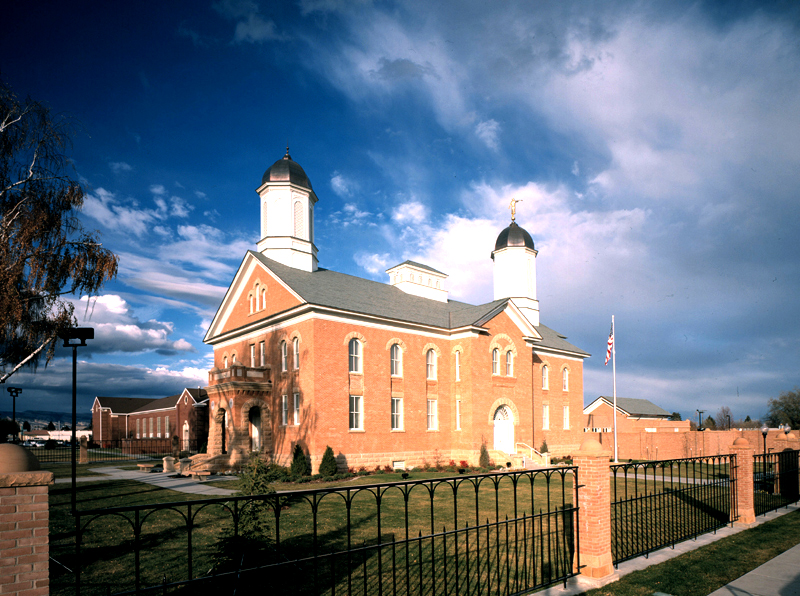
Desert Sage Bluegrass has been used in many notable projects including the Utah State Capitol Building, Draper LDS Temple, Smithfield LDS Temple, Promontory Short Course Golf Course, and many residential landscapes
Desert Sage Bluegrass has a similar water requirement to tall fescue. It is better at repairing itself from damage. Tall fescue is known to do better in shade, but Desert Sage Bluegrass does sufficiently well in shaded areas.
Apply 1# Nitrogen per 1000 square feet approximately every 6 weeks during the active growing season. Application dates are recommended around Memorial Day, Independence Day, Labor Day and Halloween. Use a fertilizer with approximately a 4:1:2 ratio (higher in Nitrogen with some Phosphorous and Potassium). Apply a Winterizer fertilizer in late fall. A turf builder fertilizer (16/16/16) can be tilled into the top soil before installation but is not necessary since the sod comes pre-fertilized from the farm.
Click on the get a quote button at the top of this page or call 435-854-3627. The office is at 10785 W 12800 N, Tremonton, Utah 84337.